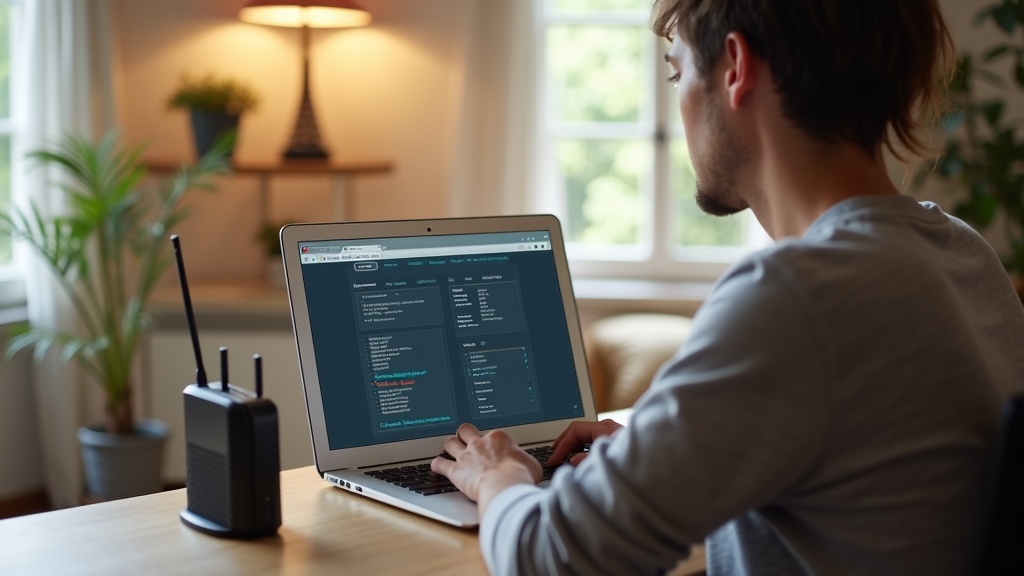
Your VPN suddenly stops working on Vodafone Germany, leaving your Twitch streams buffering and your connection vulnerable to DNS leaks. This frustrating combination of streaming interruptions and privacy risks affects countless users on Germany's second-largest ISP. Fortunately, you can resolve both issues with targeted troubleshooting that addresses Vodafone's specific network configurations and DNS leak protection measures.
What you'll learn:
- Why Vodafone Germany frequently blocks VPN connections during Twitch streaming
- How to test for and prevent DNS leaks that compromise your privacy
- Step-by-step fixes that restore both streaming performance and security
Why Vodafone Germany Interferes With VPN Connections
Vodafone Germany, like many European ISPs, employs sophisticated network management techniques that can disrupt VPN traffic. The company uses Deep Packet Inspection (DPI) to analyze data packets moving through their network. When this system detects the unique encryption patterns of VPN protocols, it may throttle or block that connection entirely.
This interference becomes particularly noticeable during Twitch streaming because streaming requires consistent, high-bandwidth connections. Vodafone's systems prioritize certain types of traffic, and VPN-encrypted streaming often gets deprioritized. The result is constant buffering, dropped frames, or complete connection failures right when you need stability most.
Additionally, Vodafone operates its own DNS servers that your devices typically use by default. When your VPN connection isn't properly configured, your device might bypass the VPN's encrypted DNS and continue using Vodafone's servers instead. This creates DNS leaks that expose your browsing activity to your ISP despite using a VPN.
Testing for DNS Leaks on Your Vodafone Connection
Before attempting any fixes, verify whether your VPN is actually protecting your privacy. DNS leaks occur when your device uses your ISP's DNS servers instead of your VPN's private DNS, potentially exposing every website you visit to Vodafone.
Visit our privacy tools page for recommended DNS leak test websites. Connect your VPN to a server, then run the test. The results should only show DNS servers belonging to your VPN provider, not Vodafone or other third parties. If you see Vodafone DNS servers in the results, you have a confirmed DNS leak that needs immediate attention.
Run this test multiple times while connected to different VPN servers, as some servers might have better DNS leak protection than others. Also test both before and after attempting to stream Twitch, since the high bandwidth demands of streaming can sometimes trigger DNS leaks that don't appear during normal browsing.
Understanding How DNS Leaks Happen
DNS leaks typically occur for three main reasons on Vodafone connections. First, Windows and other operating systems have built-in features that can override your VPN's DNS settings. Second, some VPN apps don't properly configure the system to use their DNS servers exclusively. Third, network configuration issues during reconnection can temporarily bypass VPN protection.
When you experience connection drops or switch between WiFi and mobile data, your device might automatically revert to Vodafone's DNS settings without your knowledge. This creates brief but significant privacy vulnerabilities that persist even after your VPN reconnects.
Step-by-Step Fixes for VPN Connectivity Issues
Start with the simplest solutions before moving to advanced configurations. First, try switching between different VPN protocols in your VPN app's settings. OpenVPN (both TCP and UDP), WireGuard, and IKEv2 handle network interference differently, and one might work better than others on Vodafone's network.
If protocol switching doesn't help, change your VPN server location. Connect to servers in neighboring countries like Netherlands or France, as these often provide better performance for German users while avoiding Vodafone's domestic blocking measures. The physical distance is minimal, so you won't notice significant speed differences.
For persistent issues, try these advanced troubleshooting steps:
- Enable your VPN's obfuscation or stealth mode if available
- Change your connection port to 443 (HTTPS) or 80 (HTTP)
- Configure custom DNS servers like Cloudflare (1.1.1.1) or Google (8.8.8.8)
- Disable IPv6 in your network adapter settings
Ensuring Complete DNS Leak Protection
Proper DNS leak protection requires both correct VPN configuration and system-level adjustments. First, verify that your VPN app has DNS leak protection enabled in its settings. Most quality VPNs include this feature, but it might be disabled by default or get turned off during updates.
For Windows users, disable the “Smart Multi-Homed Name Resolution” feature, which can cause DNS leaks by querying multiple DNS servers simultaneously. On macOS, check that your network settings prioritize your VPN connection above other interfaces. Mobile devices typically handle this automatically through the VPN app.
Consider using your VPN's private DNS servers manually if the app continues to leak DNS information. Many providers publish their DNS server addresses (like NordVPN's 103.86.96.100) that you can input directly into your device's network settings. This creates a fallback protection layer even if the VPN connection experiences issues.
Optimizing Your VPN for Twitch Streaming
Streaming Twitch through a VPN on Vodafone requires both connection stability and sufficient bandwidth. First, connect to VPN servers specifically optimized for streaming. Many providers label these servers in their apps. These servers typically have better infrastructure for handling video traffic and may use different routing to avoid Vodafone's throttling.
Adjust your streaming bitrate to account for VPN overhead. While modern VPNs only reduce speeds by 10-15% on fast connections like Vodafone's, lowering your Twitch output bitrate by a similar margin can prevent buffering during network fluctuations. Test different bitrates while monitoring your stream stability.
Use a wired Ethernet connection instead of WiFi whenever possible. VPNs already add encryption overhead, and combining that with WiFi signal fluctuations can create the perfect storm for streaming issues. A direct connection provides the stable foundation your VPN needs to maintain both privacy and performance.
When to Switch VPN Providers
If you've tried all troubleshooting steps and still experience frequent disconnections or DNS leaks, your current VPN might not be compatible with Vodafone Germany's network. Some VPN providers invest more resources into maintaining working connections with restrictive ISPs.
Look for providers with dedicated German servers, obfuscation technology, and proven track records of working with Vodafone. Check our VPN reviews for up-to-date information on which services successfully bypass German ISP restrictions. The best providers update their infrastructure regularly to counter new blocking techniques.
Before switching, contact your current VPN's support team. They might have specific server recommendations or settings for Vodafone users that aren't widely advertised. Quality VPN providers maintain detailed knowledge about different ISPs and can often provide customized solutions.
Maintaining Ongoing Privacy and Performance
Regularly test your VPN connection for DNS leaks, especially after system updates or network changes. Set a monthly reminder to visit our testing tools and verify your privacy protection. This habit ensures you catch any configuration changes before they expose your browsing activity.
Keep your VPN app updated, as developers constantly release improvements for specific ISP compatibility issues. Enable automatic updates if available, and check release notes for mentions of German ISP optimizations or enhanced DNS leak protection.
Consider using a router-based VPN configuration if you frequently stream from multiple devices. This approach protects all connected devices simultaneously and typically provides more stable connections than individual app installations. Many modern routers support VPN client functionality with straightforward setup processes.
Your VPN should provide both seamless Twitch streaming and reliable DNS leak protection on Vodafone Germany. By implementing these targeted solutions, you can enjoy buffer-free content while maintaining complete privacy from your ISP. Take control of your connection today by testing your current setup and making the necessary adjustments for optimal performance and security.
Secure your Vodafone connection with proven DNS leak protection and start streaming Twitch without interruptions or privacy concerns.




Join the discussion
Have a question or a fix to add? Share it below.