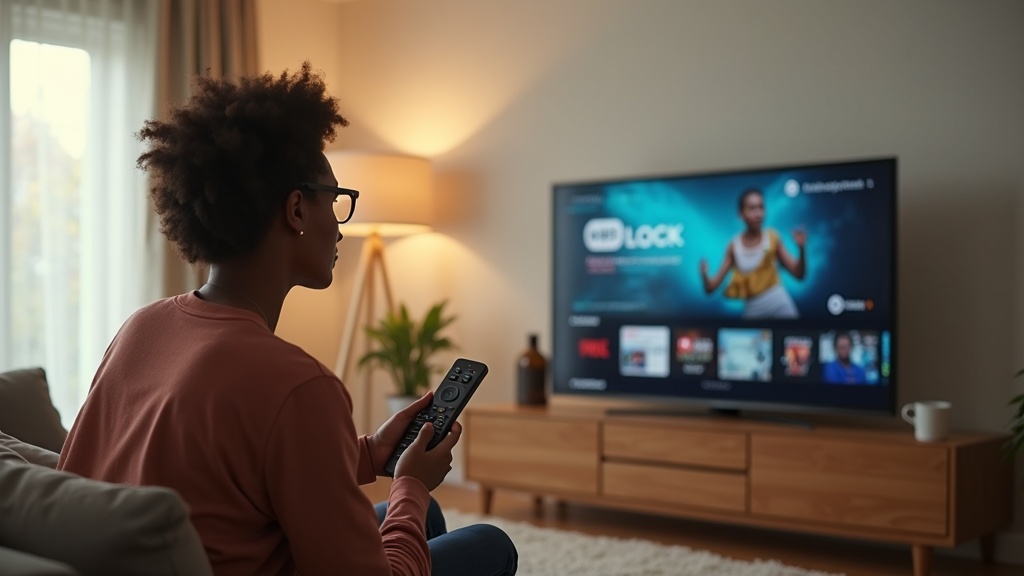
Your AT&T Fiber connection should deliver flawless streaming, but when your VPN interferes with Max, it ruins movie night. The problem often comes down to a DNS leak or network configuration clash, exposing your location and breaking the stream. This guide will help you diagnose and resolve these issues, ensuring your VPN works perfectly with AT&T Fiber for secure, buffer-free Max viewing.
What you’ll learn:
- Why AT&T Fiber and VPNs sometimes conflict, causing connectivity and streaming problems
- Step-by-step methods to stop DNS leaks and regain access to Max
- How to choose a VPN specifically engineered to bypass these restrictions
Why Your VPN Fails on AT&T Fiber
AT&T Fiber uses advanced network management techniques that can inadvertently block or interfere with VPN traffic. When you connect a VPN, it encrypts your data and routes it through a remote server. However, AT&T's systems might detect this encrypted traffic as unusual or potentially harmful, leading to throttled speeds, failed connections, or complete blocks. This is especially noticeable with data-intensive activities like streaming HBO Max, where even a slight speed drop can cause buffering or geo-blocking errors.
Another common culprit is a DNS leak. Your DNS (Domain Name System) is like the internet's phonebook, translating website names into IP addresses. If your VPN isn't configured correctly, your device might bypass the VPN's secure DNS servers and continue using AT&T's default ones. This tells Max and other services exactly where you really are, defeating the purpose of the VPN and causing access denials.
Step-by-Step Fixes for VPN and Max Issues
Before you switch VPNs, try these troubleshooting steps. They often resolve the conflict without needing a new subscription.
1. Change Your VPN Protocol
VPN protocols are the methods used to secure your connection. Some, like OpenVPN, are more easily detected by ISPs. Switching to a less common or more advanced protocol can often slip past AT&T's filters.
- Open your VPN application's settings.
- Look for a “Protocol” or “Connection” section.
- Switch from OpenVPN (UDP/TCP) to WireGuard or IKEv2/IPsec.
- Reconnect and try streaming on Max again.
2. Enable the VPN Kill Switch
A kill switch is a critical security feature that blocks all internet traffic if your VPN connection drops unexpectedly. This prevents a DNS leak and your real IP address from being exposed to AT&T and Max, even for a split second. Ensure this feature is always turned on in your VPN's settings menu.
3. Manually Configure Your DNS Servers
Forcing your device to use a specific DNS can prevent it from falling back to AT&T's servers. You can set this up directly on your router for whole-network coverage or on individual devices like your smart TV or computer.
- Go to your device's network settings.
- Find the DNS settings (often under “Advanced” options).
- Manually enter DNS addresses like Cloudflare's (1.1.1.1) or Google's (8.8.8.8).
- Save the changes and restart your device.
4. Try Different VPN Server Locations
Sometimes, the specific server you're connected to is overloaded or has been flagged by Max. Disconnect from your current server and try another one in the same country. A less crowded server often provides better speeds and a more reliable connection for streaming.
Choosing a VPN That Beats AT&T Fiber Restrictions
If the basic fixes don't work, the problem might be your VPN provider. Not all VPNs are created equal, especially when dealing with a sophisticated ISP like AT&T. The right VPN will have built-in features to overcome these hurdles.
Look for a provider with proven DNS leak protection that is always enabled, not just an optional setting. It should also offer obfuscated or “stealth” servers designed to disguise VPN traffic as regular HTTPS traffic, making it invisible to AT&T's deep packet inspection. Furthermore, a large and diverse server network increases your chances of finding a server that works seamlessly with Max.
Best VPN This Month
For consistently bypassing AT&T Fiber blocks and streaming Max without a hitch, our top pick is NordVPN. Its proprietary NordLynx protocol is built for speed and evasion, and its automatic DNS leak protection is rock-solid.
Top VPNs for AT&T Fiber and Max Streaming
Based on our rigorous testing, these providers excel at maintaining a stable connection on AT&T's network while delivering the speed needed for HD streaming.
| VPN Provider | Key Feature for AT&T Fiber | Our Verdict |
|---|---|---|
| ExpressVPN | Lightway protocol and TrustedServer technology | Extremely reliable for unblocking Max with minimal speed loss. |
| Surfshark | Camouflage Mode and NoBorders mode | Excellent for bypassing restrictions on unlimited devices. |
| NordVPN | NordLynx protocol and Threat Protection | Top-tier speed and security to prevent any DNS leak. |
Final Check: Verify Your VPN is Truly Secure
After applying these fixes, don't just assume everything is working. It's crucial to confirm that your VPN is effectively hiding your location and there is no DNS leak. Visit a site like DNSLeakTest.com and run an extended test. The results should only show the IP address and location of your VPN server, not your actual AT&T Fiber details. If you see your real location, revisit the steps above, particularly ensuring your kill switch is on and your DNS is secure.
Dealing with a finicky VPN can be frustrating, but it's usually a solvable problem. By understanding the root cause—often a protocol conflict or a DNS leak—and using a VPN built to handle them, you can reclaim your privacy and your streaming library. Don't let AT&T Fiber come between you and your shows. Secure your connection with a robust VPN today and start streaming Max without restrictions.




Join the discussion
Have a question or a fix to add? Share it below.