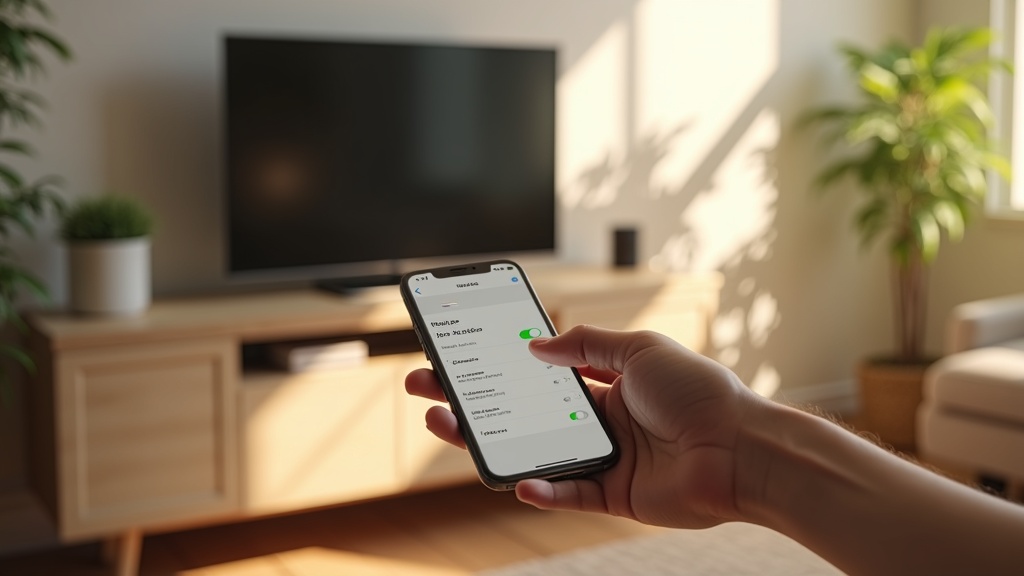
Your Google Nest Hub just dropped its VPN connection during your favorite YouTube Music playlist, and now your smart display feels exposed. This common frustration happens when VPN protocols, network settings, and streaming services clash on these specialized devices. A stable VPN connection is essential for privacy on always listening smart speakers, but it requires specific configuration to work seamlessly with music streaming.
What you’ll learn:
- Why your Nest Hub frequently disconnects from your VPN during YouTube Music use
- Step by step fixes for routers, VPN settings, and network configuration
- How to choose a VPN that stays reliably connected to music services
Why Your Nest Hub VPN Keeps Disconnecting with YouTube Music
Google Nest Hub devices aren’t designed with VPNs in mind, which creates several points of failure. YouTube Music aggressively detects and blocks VPN IP addresses to enforce regional licensing, causing connection resets. Meanwhile, your router’s VPN configuration might use protocols that timeout under constant streaming load. The combination of streaming detection and incompatible settings creates the perfect storm for dropped connections.
Most residential routers struggle to maintain OpenVPN connections under sustained data transfer, which is exactly what music streaming requires. When your VPN connection drops, your Nest Hub reverts to your regular IP address mid stream, potentially exposing your listening habits and location data.
Router Level Fixes for Stable VPN Performance
Since Nest Hub doesn’t support native VPN apps, your router becomes the critical piece. Start by accessing your router’s admin panel and locating the VPN client settings.
Switch to WireGuard Protocol
If you’re using OpenVPN, switch to WireGuard configuration files if your VPN provider supports them. WireGuard maintains connections more efficiently and uses less processing power on your router, which is crucial for preventing timeouts during continuous music playback. This single change resolves most random VPN connection drops on resource constrained home networking equipment.
Adjust MTU Settings
Maximum Transmission Unit mismatches cause packet fragmentation that disrupts streaming. Reduce your MTU to 1420 or lower in your router’s VPN settings to prevent YouTube Music from triggering connection resets. Test different values until streaming becomes stable – the optimal setting varies by internet provider and VPN server distance.
Enable Kill Switch Features
Activate your router’s VPN kill switch (sometimes called firewall rules) to block all traffic when the VPN connection fails. This prevents your Nest Hub from accidentally transmitting data over your regular connection during brief drops. Look for this option in your router’s VPN client configuration or firewall settings section.
VPN Service Selection Matters
Not all VPNs work equally well with Nest Hub and YouTube Music. The best services offer specialized streaming servers that rotate IP addresses frequently to avoid detection blocks. NordVPN provides dedicated obfuscated servers that appear as regular traffic to YouTube’s systems, while Surfshark offers unlimited simultaneous connections for your entire smart home ecosystem.
When evaluating providers, prioritize those with:
- WireGuard protocol support for faster reconnection
- Streaming optimized servers that regularly refresh IP pools
- Router compatible applications with detailed setup guides
- 24/7 customer support knowledgeable about smart home devices
Network Configuration Tweaks
Your home network setup significantly impacts VPN stability. Position your Nest Hub closer to your router or add a mesh node to strengthen signal consistency. Weak Wi Fi causes micro disconnections that your VPN session may not survive, especially during high bitrate audio streaming.
Consider creating a separate 2.4GHz network specifically for your smart devices. The longer range and better wall penetration of 2.4GHz bands provide more consistent connectivity than 5GHz, reducing one variable in the VPN connection equation. Just ensure your router’s VPN client covers all frequency bands you’re using.
Testing and Maintaining Your Setup
After implementing these fixes, verify your VPN connection remains active during extended YouTube Music sessions. Use your VPN provider’s IP check tool through a connected device to confirm your real location isn’t leaking. Periodically check for router firmware updates, as manufacturers often improve VPN client stability in newer versions.
If disconnections persist, try connecting to a VPN server geographically closer to your actual location. The shorter routing path reduces latency and connection fragility. Some users find that scheduling weekly router reboots helps clear memory leaks that gradually degrade VPN performance over time.
When to Consider Alternative Approaches
If router level VPN proves too unreliable for your specific setup, consider installing VPN protection directly on your network’s gateway using advanced configuration methods. Some tech savvy users set up VPN connections on network switches or dedicated firewall devices that offer more processing power than consumer routers.
For less technical solutions, focus VPN protection on your mobile device instead and cast YouTube Music to your Nest Hub. While this doesn’t encrypt the Nest Hub itself, it still protects your music search history and account activity from your internet provider.
Fixing VPN connection stability on Google Nest Hub requires addressing both the technical limitations of home routers and the aggressive blocking systems of music services. By selecting a streaming optimized VPN service, configuring your router properly, and fine tuning your network environment, you can enjoy private music streaming without constant disconnections. Take control of your smart home privacy today – secure your Nest Hub with a VPN built for streaming.



Join the discussion
Have a question or a fix to add? Share it below.