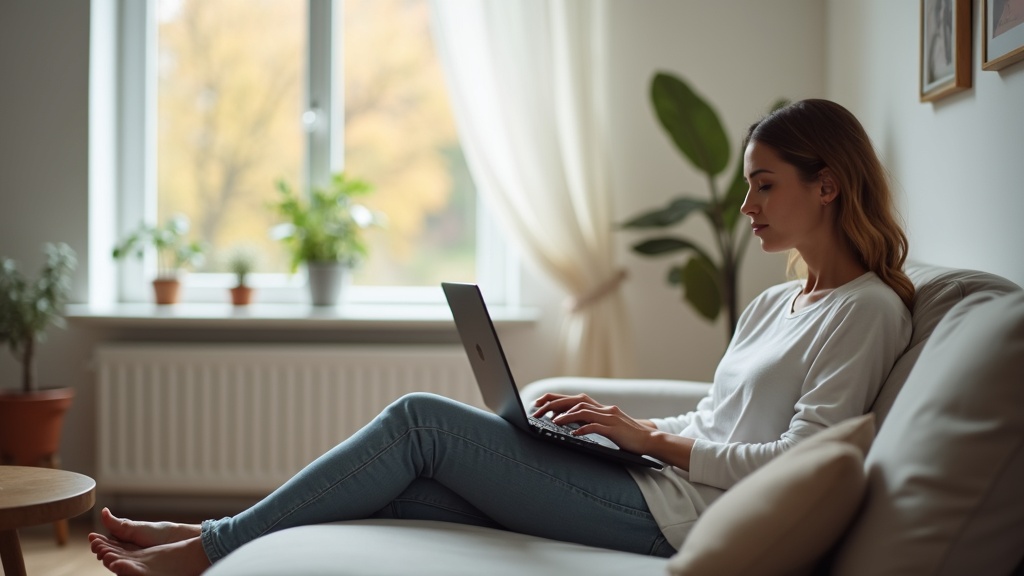
You might think VPNs are only for dodgy coffee shop Wi-Fi or international travel—but your home network isn’t as safe as you’d hope. Internet providers, advertisers, and even hackers can exploit vulnerabilities in your everyday browsing. Here are seven real-world situations where a VPN at home becomes your digital seatbelt, whether you’re streaming, gaming, or just checking email.
1. Your ISP Throttles Your Connection (Especially for Streaming)
Internet providers often slow down your speed during peak hours or when they detect high-bandwidth activities like Netflix or YouTube. A VPN encrypts your traffic, hiding what you’re doing from your ISP—so they can’t selectively throttle your connection. Tests by privacy advocates show VPN users frequently get 10–30% faster speeds during throttling periods.
2. You Use Smart Home Devices (And Don’t Trust Them)
From voice assistants to security cameras, smart devices are notorious for weak security. A VPN adds a layer of encryption, preventing hackers from exploiting vulnerabilities in your gadgets. Research from security firms found that 40% of smart home devices have unpatched flaws—risking everything from data leaks to unauthorized access.
Best VPN for Smart Homes This Month
NordVPN offers dedicated IPs and a kill switch, ideal for securing multiple devices without interruptions.
3. You Work Remotely (Even Occasionally)
Home networks lack the enterprise-grade security of office setups. If you handle sensitive files or log into work systems, a VPN prevents snooping—especially critical if your ISP logs activity. A 2024 study revealed that 62% of remote workers exposed company data accidentally via unsecured home connections.
4. You Want to Stop Targeted Ads
ISPs and advertisers track your browsing habits to sell your data or bombard you with creepy ads. VPNs mask your IP address, breaking the tracking chain. Pair it with a browser privacy tool for maximum effect.
5. You Stream Geo-Restricted Content
Missed the latest show because it’s not available in your country? A VPN lets you connect to servers in other regions, unlocking platforms like BBC iPlayer or Hulu. Just ensure your VPN works with popular streaming services—some actively block VPN IPs.
6. You Share Files or Torrent Legally
Even legal torrenting draws scrutiny from ISPs. A VPN hides your activity, preventing copyright trolls from sending threatening letters. For safe P2P sharing, choose a Surfshark or torrent-friendly VPN with a no-logs policy.
7. You Value Privacy (Even If You Have “Nothing to Hide”)
Your online behavior—from search history to shopping habits—creates a profile sold to data brokers. A VPN isn’t just for activists or journalists; it’s for anyone who dislikes being surveilled 24/7. As digital rights groups warn: “If you’re not paying for the product, you are the product.”
What to Look for in a Home VPN
- No-logs policy: Avoid providers that store your activity data
- Kill switch: Cuts internet if the VPN drops to prevent leaks
- Router compatibility: Protects all devices at once
- Speed: Look for WireGuard-based protocols (like NordLynx or Lightway)
Your home network is the new frontline for privacy battles. Whether it’s stopping ISP throttling, securing smart devices, or just reclaiming your right to browse freely, a VPN turns your connection into a private tunnel. ExpressVPN remains a top pick for reliability, but compare options in our best VPN guide to match your needs.





Join the discussion
Have a question or a fix to add? Share it below.